
Parmesan and Shallot Risotto - Yummy!!
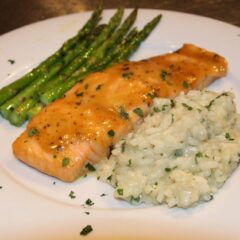
Creamy Parmesan and Shallot Risotto made with Italian rice, sweet shallots, butter, and Parmesan. An easy, elegant side dish ready in 30 minutes.
Ingredients
- 2 cups Carnaroli rice
- 5 cups sodium free chicken stock
- 3 tablespoons olive oil
- 4 shallots, peeled and minced
- 2 tablespoons unsalted butter
- 3 tablespoons parmesan cheese, finely grated
Instructions
- Bring the stock to a simmer and keep warm over low heat.
- In a large pan, or risotto pan, heat the olive oil and add the shallots. Cook for 2 to 3 minutes until the shallots have softened but not browned. Stir in the rice and cook for a couple of minutes until the rice becomes translucent. Stir frequently.
- Add ladleful of hot stock to the rice stirring until almost all the liquid is absorbed before adding the next ladle full. When you have added most of the entire stock, stir in the butter and when all incorporated add the parmesan cheese and the chopped parsley.
- Add a splash of more stock to keep the rice moist and creamy. Season to taste. Serve hot and topped with a drizzle of olive oil.
Notes
- Keep the stock warm. Adding cold stock will slow down the cooking process and can affect the creamy texture of your risotto.
- Add the stock gradually. One ladleful at a time gives the rice time to release its starches and create that beautiful creaminess.
- Do not rush the shallots. Cook them gently until soft and translucent. You want their sweetness, not browned edges.
- Stir often, but not constantly. Gentle, regular stirring helps release the starch without making the rice gummy.
- Watch the texture. The rice should be tender with a slight bite in the center and loose enough to slowly spread on the plate.
- Use freshly grated Parmesan. It melts more smoothly and gives the risotto a much better flavor than pre-grated cheese.
- Finish off the heat. Stir in the butter and Parmesan after removing the pan from the heat for a silky, creamy finish.
- Serve immediately. Risotto waits for no one. It will continue to thicken as it sits, so bring it straight to the table.
Nutrition
Calories: 603kcal | Carbohydrates: 85g | Protein: 16g | Fat: 21g | Saturated Fat: 7g | Polyunsaturated Fat: 2g | Monounsaturated Fat: 11g | Trans Fat: 0.2g | Cholesterol: 27mg | Sodium: 495mg | Potassium: 427mg | Fiber: 1g | Sugar: 5g | Vitamin A: 213IU | Vitamin C: 1mg | Calcium: 81mg | Iron: 1mg
Giangi's Kitchen provides nutritional information, but these figures should be considered estimates, as a registered dietician does not calculate them.