
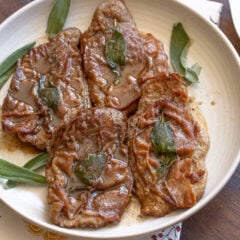
I am finally back in my kitchen, and even with the Phoenix summer heat still lingering, I find myself craving the comforting, time-honored dishes I grew up loving. Tonight, it is Saltimbocca alla Romana, one of those wonderful Roman classics where a few simple ingredients create something truly special.
Saltimbocca means “jumps in your mouth,” and the name could not be more fitting. Tender veal, salty prosciutto, fragrant sage, and a silky wine sauce come together beautifully in every bite. If you love these simple European classics as much as I do, Chicken Francese and Tarragon Chicken are two more favorites to add to your dinner rotation.
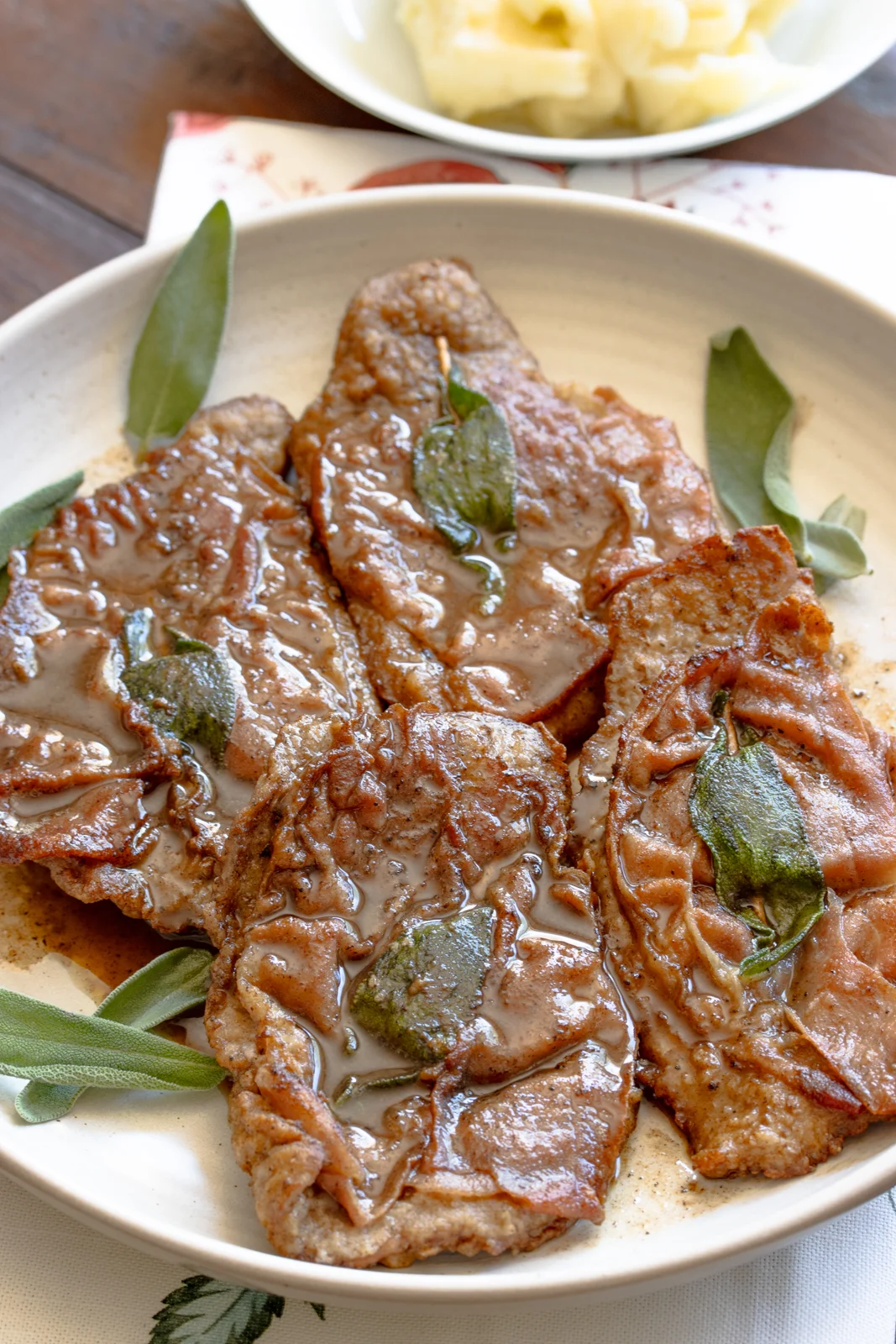
Recipe Overview: Veal Saltimbocca
- Prep Time: 5 minutes
- Cook Time: 10 minutes
- Total Time: 15 minutes
- Servings: 4 people
- Cook Method: Pan-seared
- Flavor & Texture: Tender veal with salty prosciutto, fragrant sage, and a rich, buttery white wine sauce.
- Difficulty: Easy. Once the veal is pounded thin, everything comes together quickly in one skillet.
- Why this Recipe? A classic Roman dish that feels elegant and restaurant-worthy yet takes only 15 minutes to prepare. Simple ingredients, beautiful flavors, and that delicious buttery wine sauce make this a wonderful dinner when you want something special without spending all evening in the kitchen
Rooted in tradition, Saltimbocca is as simple as it is elegant. Thin slices of veal cutlets, prosciutto, fresh sage, and white wine create something remarkable. With just a few ingredients and fifteen minutes, you can prepare a dish worthy of any restaurant, all from the comfort of your kitchen.
What sets it apart is the pan sauce. Buttery, savory, and the perfect companion to your mashed potatoes. Yes, this dish required those velvety mashed potatoes that we all love.
No substitutions accepted.
In this Article
- Recipe Overview: Veal Saltimbocca
- Why you should pound the meat
- A Note From Giangi
- Ingredients needed to make this recipe
- Step by step on how to make this classic Italian dish of veal saltimbocca
- Giangi’s Pro Tips
- What dishes pair well with this saltimbocca alla Romana?
- Can I use chicken instead?
- Storing and Reheating
- Veal Saltimbocca FAQs
- More Italian Recipes You Will Enjoy
- Veal Saltimbocca Recipe
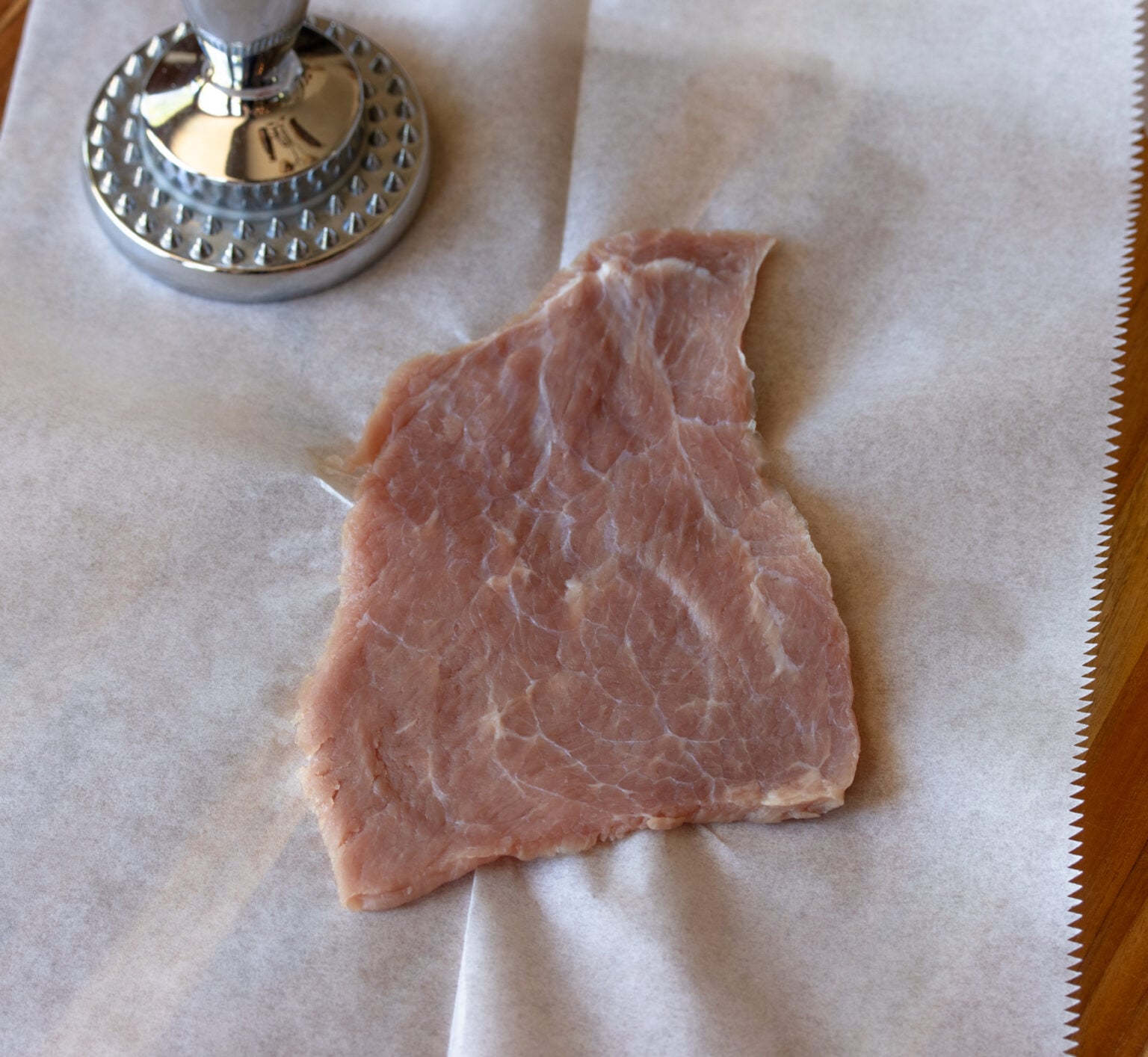
Why you should pound the meat
Pounding the meat serves two purposes: one, to ensure that it will cook faster, and the second, to tenderize it, making it soft and delicious.
If your meat is too thick, it will take longer to cook, and while you are cooking it over high heat to give it that quick golden sear, the heat will make the meat tough.
I recommend having your cutlets at 1/4 inch thick.
A Note From Giangi


Ingredients needed to make this recipe
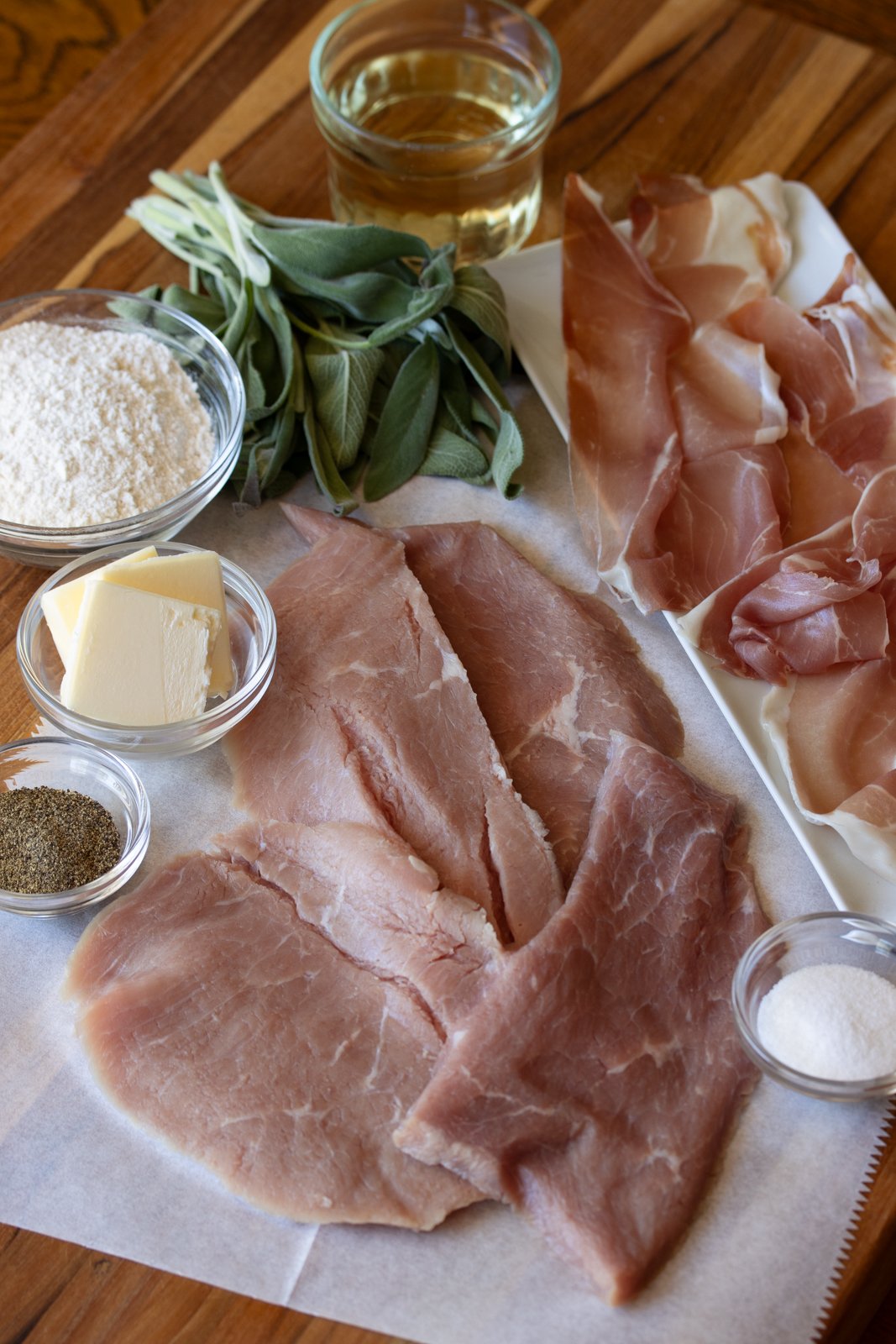
The ingredient list is also brief. It includes essential items that you may already have in your pantry. Please read the recipe for complete instructions.
Veal scaloppine: select all the same size. They should be of a wonderful light pink.
Prosciutto crudo: Italian salt-cured prosciutto brings saltiness to this dish and is the perfect balance with the tender, testing veal scaloppine.
Fresh sage leaves: A must! One leaf gives out such an intense flavor to this dish.
All-purpose flour: Lightly dredging the veal and prosciutto gives it a light coating once you cook your scaloppine. The flour that remains in the skillet also helps to thicken the sauce.
Unsalted butter: I always use unsalted butter in my cooking or baking to control the amount of sodium. Salted butter not only adds too much salt to your dish, but it also changes the flavor. The nuttiness of the butter allows for a great sauce to be created once you add the wine to deglaze the pan.
White wine: makes that amazing sauce to be poured over the veal saltimbocca. Use a good wine. I always use the wine that I will be serving with dinner.
Step by step on how to make this classic Italian dish of veal saltimbocca
With all my recipes, please assemble all the ingredients before cooking and baking. This recipe will go rather fast, so have all your sides done before making veal saltimbocca.
Step 1: Start by pounding your veal cutlets between parchment paper to make them very thin, but ensure you do not tear the meat apart.
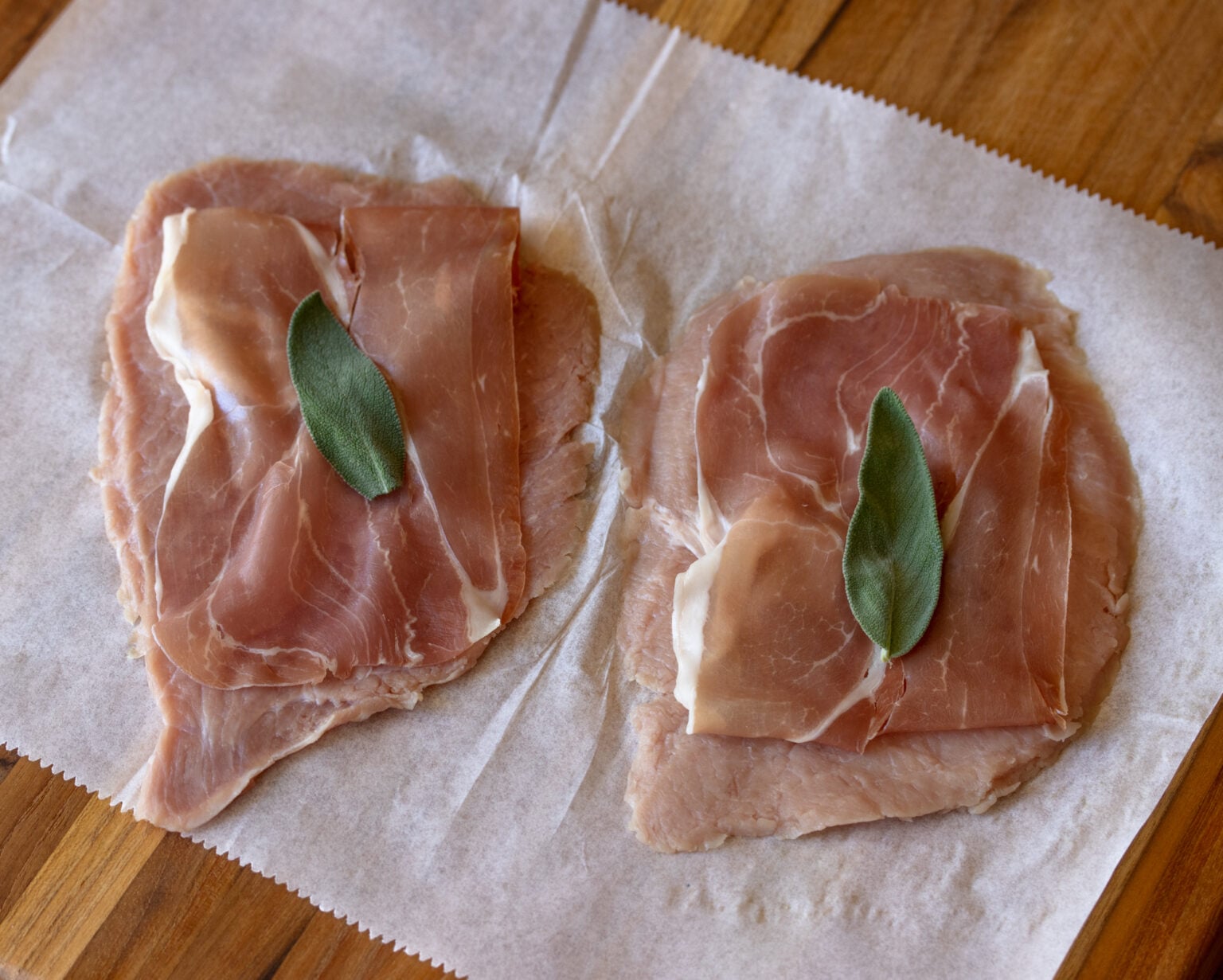
Step 2: Lay a slice of prosciutto over the pounded veal slice, cut it in half if it’s too big, and add a leaf of sage over the prosciutto.
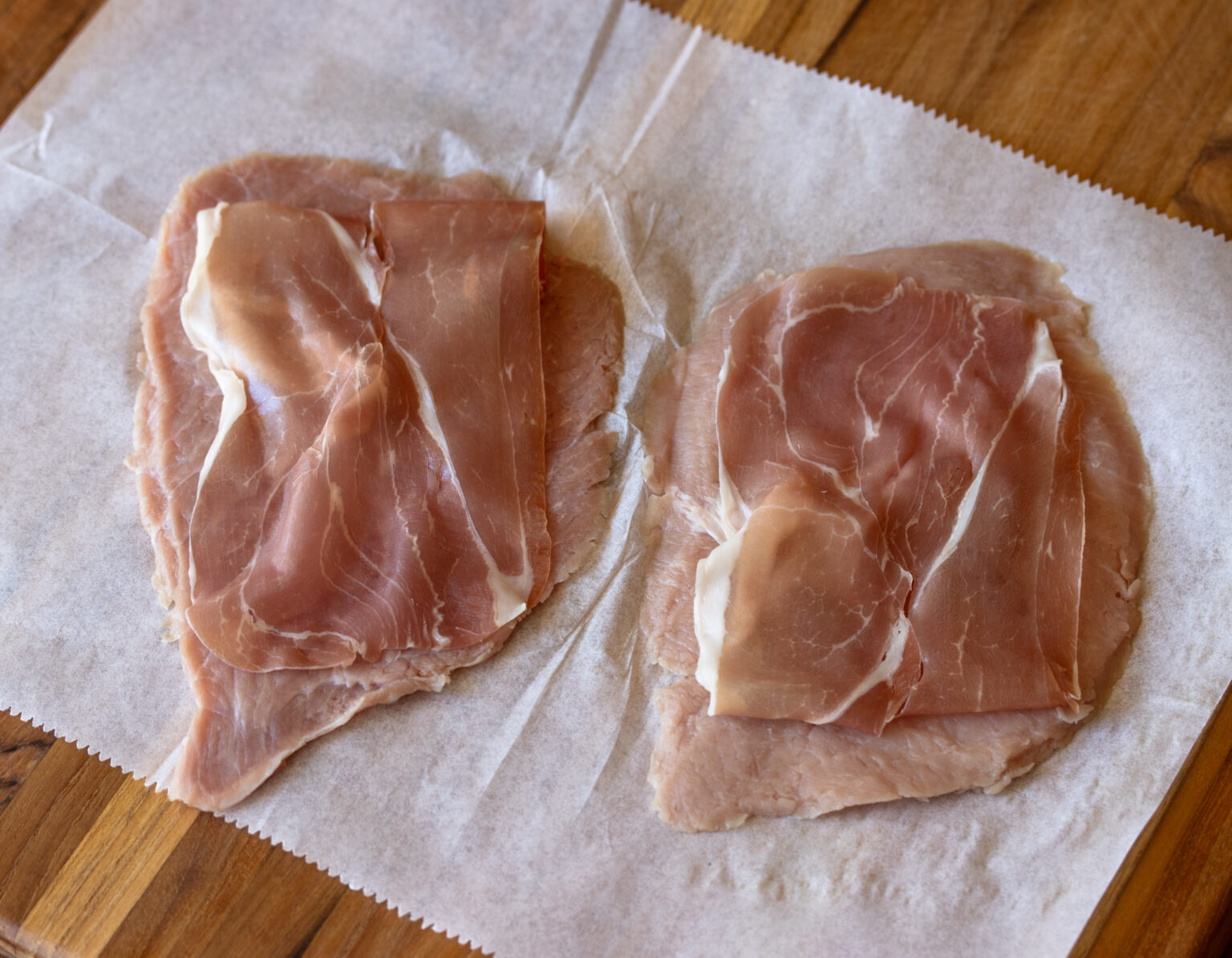
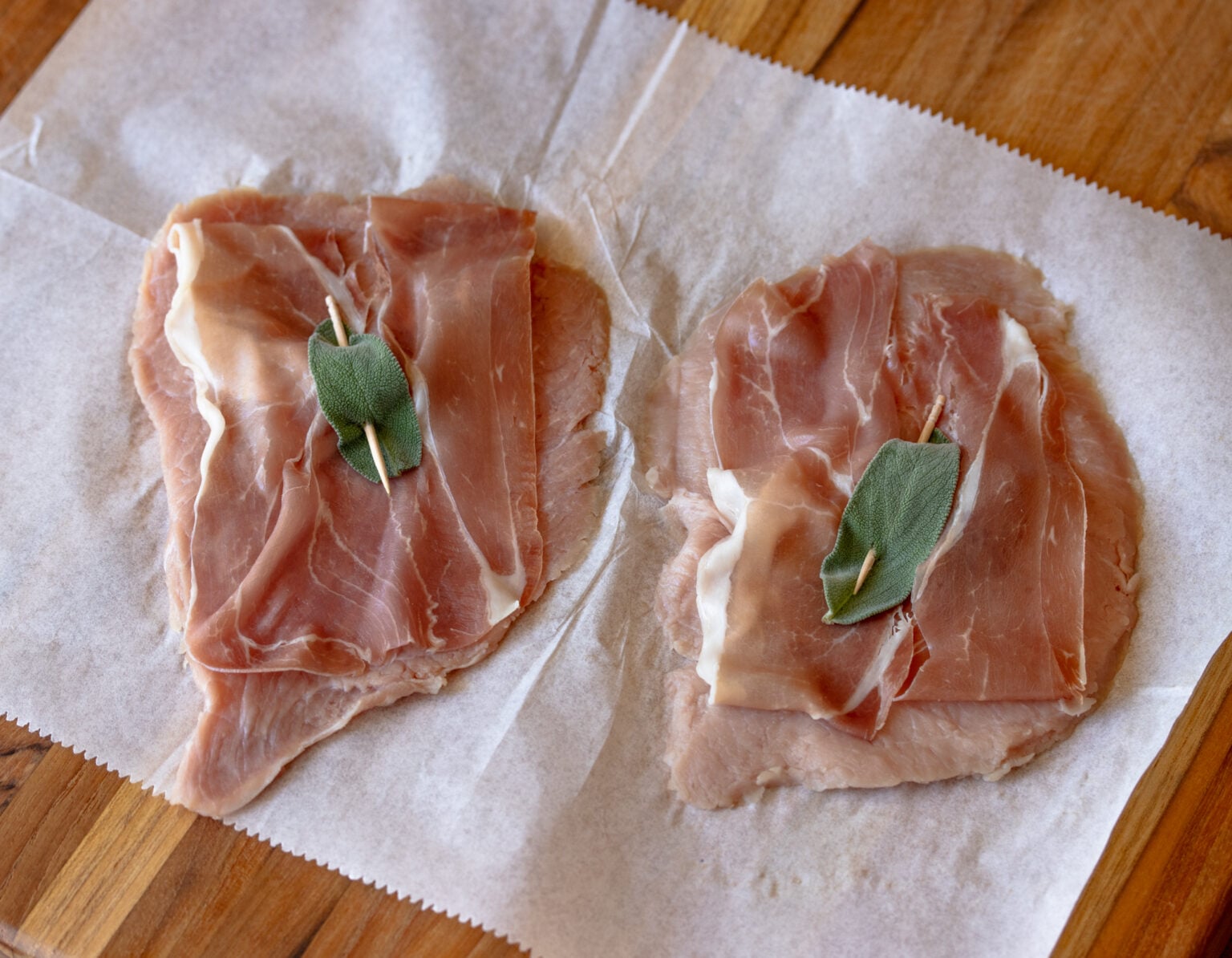
Step 3: With the help of a toothpick, pass it through the sage leaf to hold everything in place.
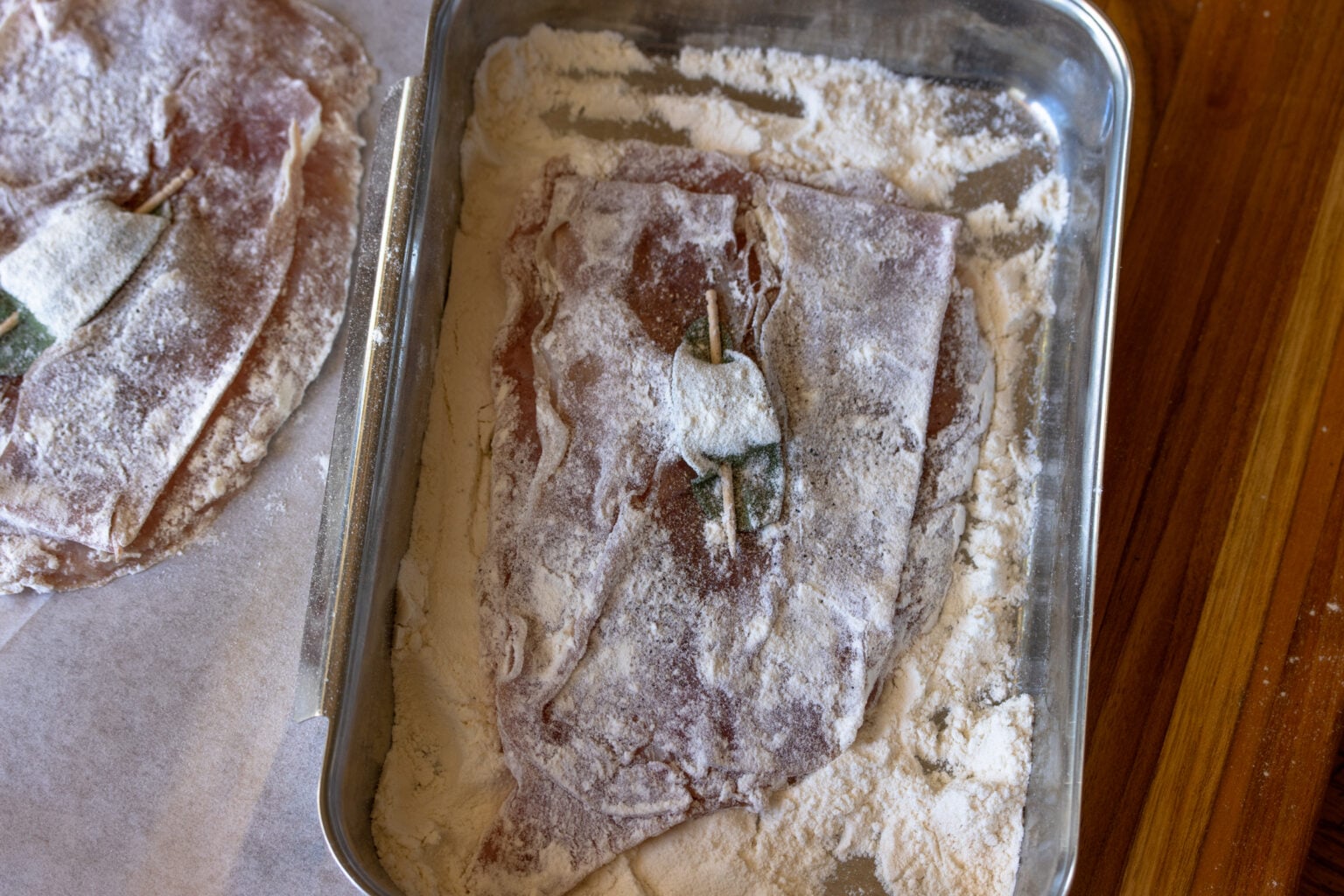
Step 4: Season generously with salt and pepper and dust with flour. Shake off any excess flour.
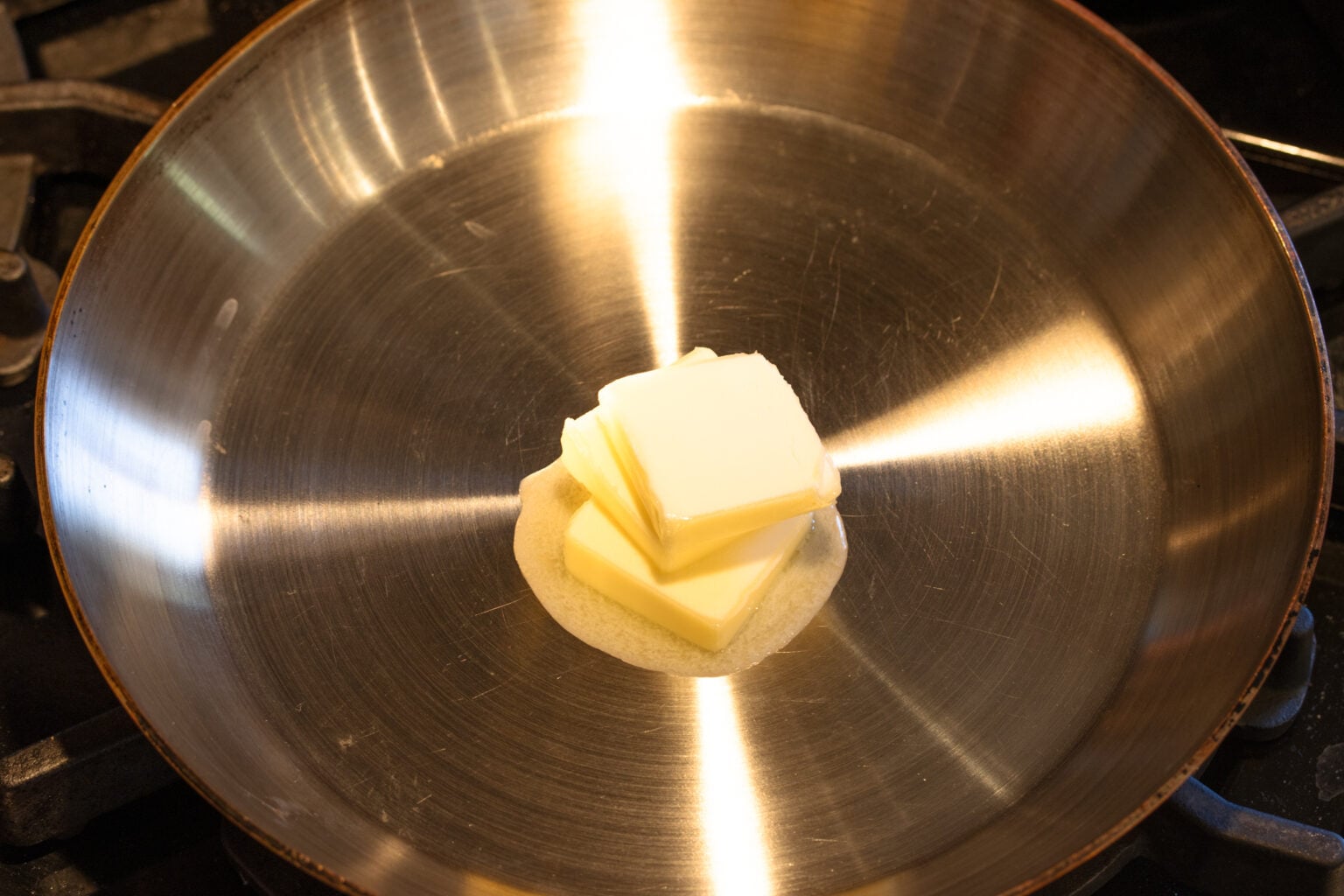
Step 5: Melt the butter in a large frying pan over medium-high heat. Add the veal and brown on all sides, 2 minutes per side.
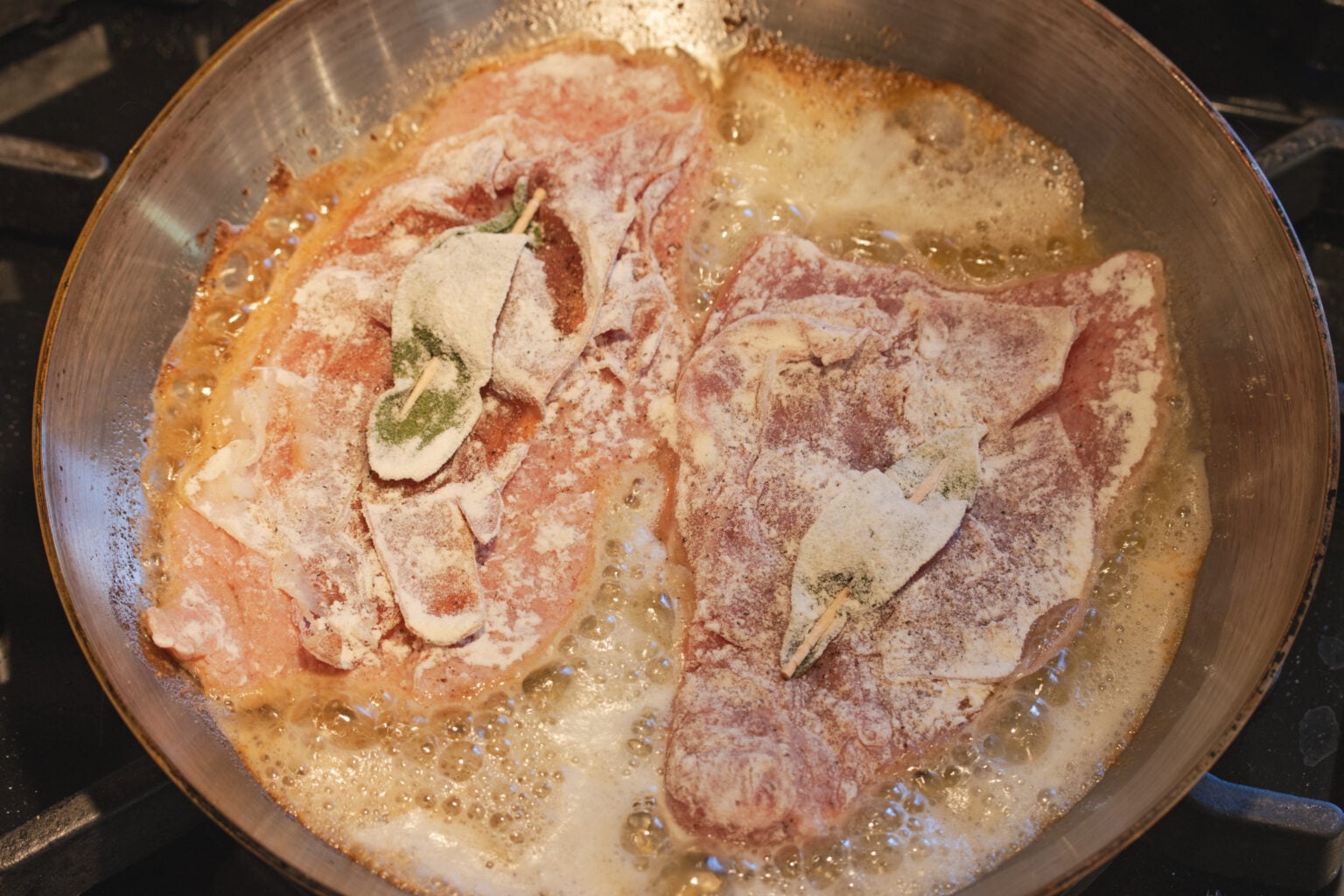
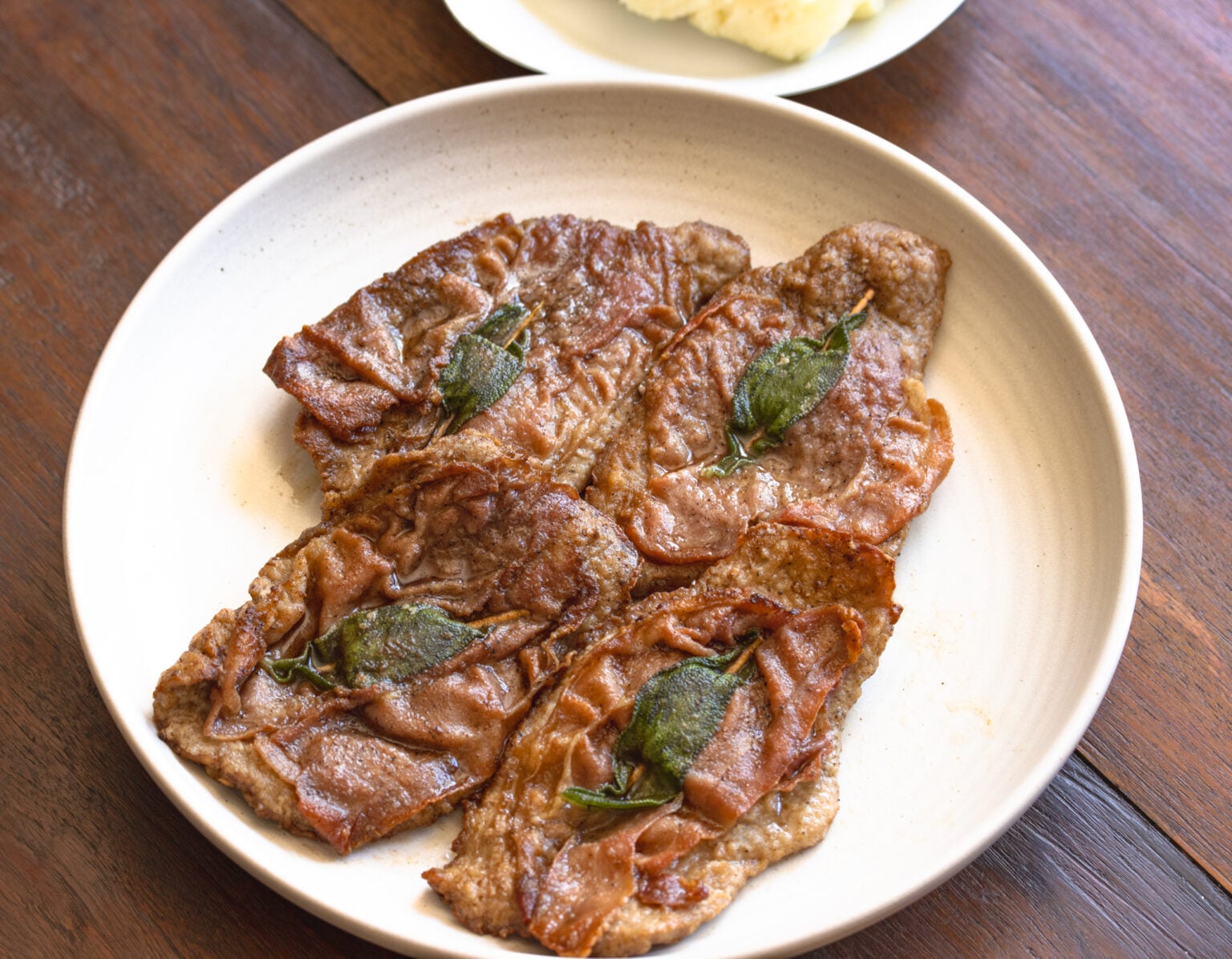
Step 6: Remove from the pan and arrange on a serving plate.
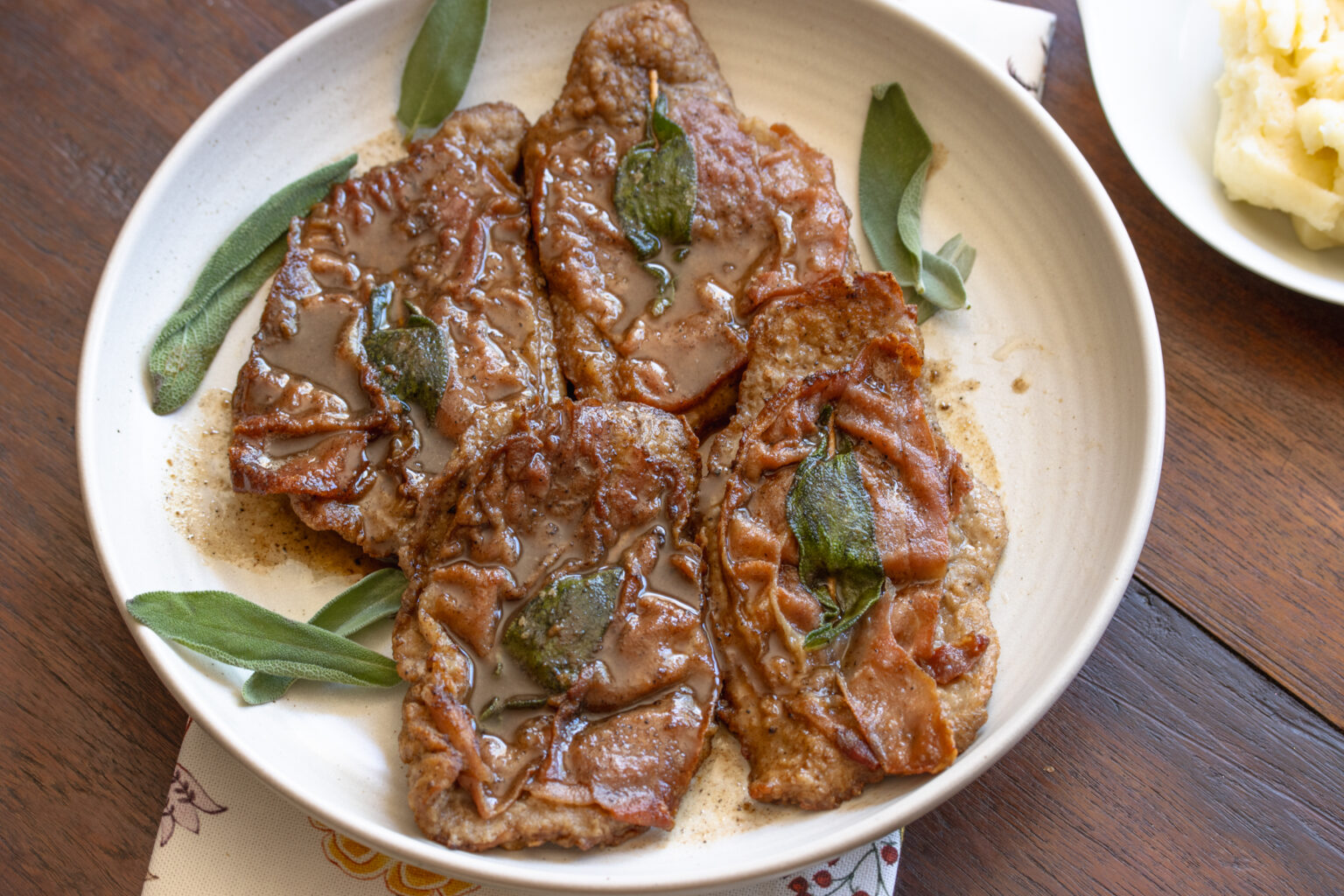
Step 7: Deglaze the pan with the white wine and pour it over the saltimbocca.
Giangi’s Pro Tips
- Ensure the meat is pounded thin, or it will be a bit tough once cooked.
- I strongly suggest parchment paper to pound your cutlets as it will not break or move while pounding.
- Dredging the veal with flour allows for a crispy coating and adds what is needed to create the thick sauce.
- Be careful not to overcook the meat, or it will toughen once cooked.
- Do use the exact white wine you will enjoy with the meal.
- Prepare the sides ahead of preparing the saltimbocca, as this recipe will go fast, and you want to eat it as soon as it is off the stove.
What dishes pair well with this saltimbocca alla Romana?
Veal saltimbocca is served with mashed potatoes, roasted rosemary potatoes, asparagus, rainbow carrots and broccolini, and even a nice green salad.
Enjoy this simple dish, but do not forget to add some dessert to end a great dinner.
Can I use chicken instead?
Yes, you can. Veal can be a bit expensive when cooking for a crowd and hard to find at your local grocery store, so chicken is an easy substitute.
I recommend that you have your butcher pound them very thin. Although still delicious, the flavor will not be the same. Ensure that the chicken is fully cooked.
Storing and Reheating
Store: Keep any leftover veal saltimbocca in an airtight container in the fridge for up to two days.
Reheat: Bring your saltimbocca to room temperature. Add a dash of butter and a tablespoon of water to a skillet and warm over medium-low until heated. The meat will be slightly tougher than when prepared due to the reheating.
Veal Saltimbocca FAQs
What is the literal meaning of saltimbocca?
The Italian word “saltimbocca” is translated into English as “jump in the mouth.” In the culinary world, this is more descriptive of such a fantastic flavor that it leaps into your mouth to be enjoyed.
Where did the saltimbocca originate?
The saltimbocca dish originates in Rome, the capital of Italy. No one is sure how old saltimbocca is, but this recipe most likely dates back centuries in Roman culture.
What meat is used for saltimbocca?
The traditional recipe always uses veal cutlets or scaloppini. Regardless, the meat must be pounded thin with a mallet or the back of a pan. Substitutions have been made to use chicken, but I can tell you it is not the same flavor since the chicken takes longer to cook and tends to dry faster. I have used the same technique to make prawns saltimbocca, recipe below.
More Italian Recipes You Will Enjoy


If you tried this Veal Saltimbocca Recipe or any other recipe on my blog, please leave a 🌟 star rating and let me know how it goes in the 📝 comments below.
Veal Saltimbocca Recipe
Ingredients
- 8 veal cutlets, 4 ounces each
- 8 prosciutto crudo slices
- 8 sage leaves
- 3½ tablespoons unsalted butter
- ⅔ cup white wine
- ½ cup all purpose flour
Instructions
- Pound the veal cutlets into almost transparent between parchment paper or plastic wrap
- Lay a slice of prosciutto, cut in half if too large, and a sage leaf atop each slice of veal and insert a toothpick to hold them together. Season with salt and pepper, dust in flour.
- Melt the butter in a pan over high heat and cook the veal. Brown on all sides.
- Remove from the pan and arrange on a serving plate.
- Deglaze the pan with the wine and stir to make the sauce.
- Pour over the Saltimbocca and serve hot.
Equipment
Notes
- Ensure the meat is pounded thin, or it will be a bit tough once cooked.
- I strongly suggest parchment paper to pound your cutlets as it will not break or move while pounding.
- Dredging the veal with flour allows for a crispy coating and adds what is needed to create the thick sauce.
- Be careful not to overcook the meat, or it will toughen once cooked.
- Do use the exact white wine you will enjoy with the meal.
- Prepare the sides before preparing the saltimbocca, as this recipe will go fast, and you want to eat it as soon as it is off the stove.
Nutrition
Giangi’s Kitchen provides nutritional information, but these figures should be considered estimates, as a registered dietician does not calculate them.
- Course: Beef, Veal & Lamb, Dinners
- Cuisine: Italian
- Type: Under 45 minutes
Did you make this?
Leave a comment below and tag @giangiskitchen on Instagram



Giangi Townsend
The perfect last-minute dinner that is rich in flavor and always welcome at the table. A true Italian classic.